A comfortable home is about more than attractive rooms, functional appliances, and clean surfaces. It is also about knowing that the spaces where you live are protected from unwanted pests that can quietly interfere with everyday life. Insects and rodents do not always announce their presence immediately. They may move through wall voids, hide behind appliances, enter through small openings, or remain active in areas that homeowners rarely inspect. By the time obvious signs appear, a pest problem may already have developed into a recurring issue. Professional pest control service provides a proactive way to manage these concerns while helping homeowners create a cleaner, more comfortable, and more controlled living environment.
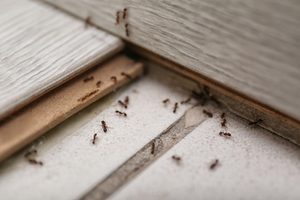
The idea of pest control has changed significantly over time. It is no longer simply about reacting when someone sees an insect or discovering a rodent in a particular room. Modern pest control services can involve inspection, identification, prevention, targeted treatment, monitoring, and recommendations for changing conditions that attract pests. This broader approach recognizes that eliminating visible pests is only one part of the solution. If the conditions that attracted them remain unchanged, the problem may return. Effective pest management therefore looks at the property as a complete environment and considers how pests are entering, where they are finding food or moisture, and what conditions allow them to survive. Discover further details at https://www.rodentretreattexas.com/pest-control-fort-worth-tx.
Every property has characteristics that can influence pest activity. Kitchens naturally contain food sources, bathrooms provide moisture, storage areas may offer shelter, and small gaps around doors, windows, pipes, and utility penetrations can provide convenient entry points. Outdoor vegetation, accumulated debris, standing water, and poorly managed waste can also contribute to pest activity around a home. None of these conditions necessarily mean a property is dirty or poorly maintained. Pests are highly adaptable, and they often take advantage of ordinary features of residential environments. Professional pest control service helps identify these opportunities and determine which ones are worth addressing.
One of the biggest advantages of professional pest control is that it shifts attention from isolated sightings to patterns. Seeing one insect does not necessarily mean there is a major infestation, but repeated sightings can indicate that the property is supporting an active population. Likewise, finding a single rodent may indicate that there are entry points or food sources that could attract others. Understanding these patterns allows homeowners to respond before a small concern becomes a larger and more difficult problem.
A thoughtful pest management strategy generally has two important objectives:
- Reduce current pest activity. Treatment should target the pests that are actually present rather than relying on a generic approach that may not address the underlying issue.
- Reduce the likelihood of recurrence. Identifying entry points, food sources, moisture problems, shelter areas, and other contributing conditions can make the property less attractive to pests over time.
This distinction is important because short-term elimination and long-term prevention are not always the same thing. A treatment may reduce the number of visible pests, but lasting control often requires understanding why those pests appeared in the first place.
Professional inspection is one of the most valuable parts of pest control service because pests frequently operate outside the homeowner’s immediate view. A technician can look for droppings, nesting materials, feeding damage, trails, entry points, insect activity, moisture conditions, and other indicators that provide clues about what is happening. Different pests leave different signs, and identifying the species or general pest category can influence how the problem should be managed. Without proper identification, homeowners may spend time and money treating the wrong problem or using methods that do not address the actual source.
The kitchen is often one of the most important areas to consider when evaluating pest activity. Food particles, grease, crumbs, overflowing waste containers, and improperly stored food can provide attractive resources for insects and rodents. Even very small amounts of food can be enough to support certain pests. Regular cleaning and proper food storage can reduce these opportunities, but household habits alone may not resolve an established infestation. Professional pest control service can complement these preventive practices by addressing existing activity and identifying areas where additional attention may be needed.
Moisture is another major factor in residential pest activity. Leaking pipes, dripping fixtures, condensation, clogged drainage, and damp areas can create conditions that certain pests find favorable. Some insects are particularly associated with moisture-rich environments, while rodents and other pests may also be attracted to accessible water sources. Addressing unnecessary moisture is therefore an important component of integrated pest management. A pest control professional can point out environmental conditions that may be contributing to activity, allowing homeowners to address problems beyond the treatment itself.
The structure of the home also plays a role. Pests do not need a large opening to gain access. Small gaps around doors, windows, vents, pipes, utility lines, roof edges, and foundations can provide entry opportunities. Once inside, pests may move through wall cavities, attics, crawl spaces, cabinets, and other concealed areas. Sealing appropriate openings can make it more difficult for pests to enter, although the correct solution depends on the location and type of opening. Prevention is most effective when it is combined with treatment and monitoring rather than treated as a one-time task.
Seasonal changes can influence pest behavior as well. Temperature, rainfall, humidity, food availability, and changes in outdoor conditions can cause pests to become more active or seek shelter indoors. Homeowners may notice increased activity during particular times of the year, but that does not mean pest control should only happen when insects or rodents become visible. Understanding seasonal patterns can help property owners anticipate problems and schedule preventive service when it is most useful.
Regular pest control service can be particularly beneficial for properties that have experienced recurring problems. Repeated infestations may indicate that something about the environment continues to support pest activity. Treating each outbreak as a separate event can become frustrating and expensive if the underlying conditions remain unchanged. A recurring service plan may provide a more systematic approach, allowing pest activity to be monitored and addressed before it reaches a noticeable level. The appropriate service frequency depends on the property, pest pressure, environmental conditions, and treatment objectives.
Safety is another important consideration when managing pests. Homeowners often have access to a wide range of consumer pest control products, but using any treatment incorrectly can create unnecessary risks. Applying excessive amounts, treating inappropriate surfaces, combining products, or failing to follow label instructions can cause problems without necessarily providing better pest control. Professional pest control service uses treatment methods selected according to the pest, location, and circumstances. Homeowners should always follow applicable product instructions and professional recommendations when pest control products are used.
Another advantage of professional service is that treatment can be more targeted. Rather than applying products indiscriminately throughout a property, professionals can focus attention on areas where pest activity has been identified or where conditions make activity more likely. Targeted management can help reduce unnecessary treatment while concentrating efforts where they are most relevant. This approach aligns with integrated pest management, which combines monitoring, prevention, environmental changes, and appropriate treatment to manage pests responsibly.
Rodent control provides a useful example of why this broader approach matters. If rodents are discovered indoors, simply removing the animals may not solve the problem. There may be openings that allow additional rodents to enter, accessible food, nesting material, or environmental conditions that support activity. A complete rodent control strategy should therefore consider both the animals and the property conditions that allow them to access the building. The same principle applies to many other pest problems.
Long-term pest management can also protect household routines. A pest problem can affect how people use their kitchens, bedrooms, storage spaces, garages, and outdoor areas. Persistent insects can make homeowners uncomfortable in rooms they previously enjoyed, while rodents can create concerns about food storage and sanitation. Even when the actual number of pests is relatively small, repeated sightings can create a constant sense of uncertainty. Professional pest control service can restore a greater sense of control by providing a structured method for identifying, treating, and monitoring the problem.
Property maintenance and pest management are closely connected in this respect. Cracks, damaged screens, deteriorating seals, leaking fixtures, clogged drains, and neglected storage areas can create opportunities for pests. Keeping these features in good condition can make pest prevention easier. Homeowners do not need to create a completely pest-proof environment, which is rarely realistic, but they can reduce the number of opportunities available to unwanted insects and animals.
Pest control can also be approached as a form of preventive property care. Just as homeowners schedule inspections, maintain plumbing, clean ventilation systems, or service mechanical equipment, they can monitor pest conditions before a serious issue develops. This mindset is particularly useful because early pest activity may be easier to manage than an established infestation. A preventive inspection can provide information about potential vulnerabilities even when there is no major problem at the time of service.
When choosing a pest control service, homeowners should look beyond the promise of immediate results. A quality provider should be willing to explain what type of pest has been identified, where activity is occurring, what treatment is recommended, and what steps can help prevent future problems. Communication matters because homeowners need to understand what is happening on their property. Clear information can also help prevent unrealistic expectations about how quickly every pest problem will disappear.
The best pest control strategy is rarely based on one treatment alone. Different pests have different behaviors, nesting patterns, food preferences, entry methods, and reproductive cycles. A method that works well for one pest may be ineffective for another. This is why pest identification and inspection are so important. Effective service is based on understanding the problem rather than applying the same solution to every situation.
Homeowners can support professional pest control service by adopting a few practical habits. Food should be stored appropriately, garbage should be managed regularly, leaks should be repaired, unnecessary standing water should be eliminated, and potential entry points should be inspected. Clutter should also be managed in areas such as garages, storage rooms, and utility spaces because excessive materials can create hiding and nesting opportunities. These steps may seem simple, but together they can make the property less inviting to many common pests.
It is also important to recognize that pest control is not necessarily about eliminating every living organism from around a property. Outdoor environments naturally contain insects and other organisms, and complete elimination is neither realistic nor desirable. The objective of professional pest management is to control unwanted activity where it interferes with the safety, comfort, sanitation, or functionality of the property. A targeted approach allows homeowners to manage meaningful pest problems without treating normal outdoor activity as an emergency.
In the long run, professional pest control service is about creating a property that is easier to manage. Instead of constantly reacting to unexpected sightings, homeowners can establish a routine that combines inspection, prevention, treatment, and monitoring. This approach provides a clearer picture of pest conditions and can help identify changes before they become serious. It also encourages homeowners to look at the property as an environment that can either discourage or support pest activity.
The importance of pest control becomes particularly clear when viewed through the lens of everyday comfort. A home should be a place where people can prepare food, relax, sleep, store belongings, and carry out daily activities without constantly worrying about unwanted pests. Even a relatively minor infestation can disrupt that sense of comfort. Professional pest control service offers a practical way to address those concerns while taking a more comprehensive view of the property.
Ultimately, effective pest management is not simply about getting rid of what homeowners can see. It is about understanding what attracts pests, how they enter, where they hide, and what conditions allow them to remain active. Professional pest control service combines this knowledge with appropriate treatment and preventive recommendations to create a more sustainable solution. When homeowners treat pest management as an ongoing part of property care rather than an emergency response, they gain a better opportunity to protect their living environment and prevent recurring problems.
A clean and comfortable home does not happen by accident. It is maintained through regular attention to the systems, surfaces, and conditions that affect everyday living. Pest control belongs within that broader approach to property care. With professional inspection, targeted treatment, practical prevention, and consistent monitoring, homeowners can reduce pest activity and create an environment that is less welcoming to unwanted visitors. The result is not simply fewer insects or rodents, but greater confidence in the condition and comfort of the property.
