Pest activity changes throughout the year, influenced by temperature shifts, moisture levels, and the availability of food and shelter. Many property owners assume pest problems occur randomly, but in reality, most infestations follow predictable seasonal patterns. Understanding how pests behave during different times of the year is essential for maintaining a comfortable indoor environment and preventing recurring issues. By recognizing these patterns and taking proactive steps, homeowners and building managers can stay protected year-round rather than reacting only when infestations become visible.
Seasonal pest activity often begins outdoors before moving indoors. As weather conditions fluctuate, pests search for new places to nest, feed, or escape extreme temperatures. Buildings provide ideal environments because they offer warmth, stable shelter, and access to food sources. Without preventive measures, even well-maintained spaces can become vulnerable. A year-round Pest Control Fort Worth TX strategy that adapts to seasonal changes helps reduce risks and supports long-term pest control success.
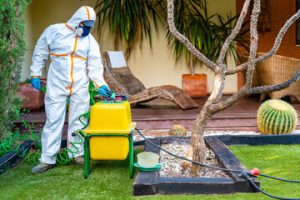
Understanding the Seasonal Cycle of Pest Activity
Every season brings unique challenges when it comes to pest management. During warmer periods, increased temperatures encourage breeding and expansion, while cooler months often drive pests indoors in search of shelter. Rainy conditions may increase moisture levels, attracting pests that thrive in damp environments. By observing these cycles, property owners can anticipate potential problems before they escalate.
Seasonal awareness helps identify when inspections and preventive measures are most effective. For example, sealing entry points before temperature changes occur can reduce the chances of pests moving indoors. Similarly, adjusting cleaning routines or outdoor maintenance practices based on seasonal conditions can limit access to food and water sources. Rather than treating pest control as a one-time effort, viewing it as a continuous process aligned with seasonal trends leads to more reliable protection.
A proactive mindset allows property owners to address small vulnerabilities before they develop into larger infestations. This approach not only protects structural integrity but also promotes healthier indoor environments throughout the year.
Warm-Weather Pest Activity and Prevention
Warmer seasons often bring increased pest activity because many species thrive in higher temperatures. Outdoor areas become more active, and pests may enter buildings through open doors, windows, or small structural gaps. During this time, food availability and breeding cycles can lead to rapid population growth if preventive measures are not in place.
Warm-weather prevention focuses on minimizing attractants and strengthening exterior defenses. Keeping outdoor areas clean, managing waste effectively, and reducing standing water are essential steps. Vegetation should be trimmed away from building walls to prevent pests from using plants as pathways indoors.
Key warm-season protection strategies may include:
- Inspecting screens, seals, and vents to ensure pests cannot enter easily
- Maintaining proper sanitation practices to reduce accessible food sources
Because pest populations tend to expand quickly during warmer months, regular monitoring becomes especially important. Early detection helps prevent minor issues from turning into widespread infestations that require more intensive solutions.
Cooler Months and Indoor Shelter-Seeking Behavior
As temperatures drop, many pests shift their focus from outdoor activity to indoor survival. Buildings provide warmth and consistent shelter, making them attractive destinations during cooler seasons. This transition often happens gradually, which means early signs may go unnoticed until pests have already established nesting areas.
Preventive measures during cooler months should prioritize sealing entry points and maintaining structural integrity. Small cracks in walls, gaps around doors, or damaged insulation can provide easy access for pests seeking refuge. Regular inspections of attics, basements, and storage areas help identify potential hiding spots before pests settle in.
Indoor cleanliness also plays a significant role during colder periods. Reduced outdoor food sources may encourage pests to rely more heavily on indoor environments. Keeping storage areas organized and minimizing clutter reduces the number of safe hiding places available.
Understanding shelter-seeking behavior allows property owners to prepare in advance rather than reacting after pests have moved indoors. This forward-thinking approach is essential for maintaining year-round protection.
The Impact of Rain and Humidity on Pest Activity
Moisture is one of the most influential factors affecting seasonal pest behavior. Increased rainfall or high humidity levels create ideal conditions for pests that depend on damp environments. Water accumulation near foundations, clogged gutters, or poor ventilation can contribute to indoor pest problems.
Managing moisture effectively involves both interior and exterior maintenance. Fixing leaks, improving airflow, and ensuring proper drainage help reduce conditions that attract pests. Outdoor areas should be inspected regularly to prevent standing water from accumulating near entry points.
Moisture-related prevention strategies often include:
- Cleaning drainage systems and directing water away from the building
- Using ventilation to maintain balanced indoor humidity levels
By addressing moisture issues early, property owners can reduce the likelihood of pests establishing long-term nesting areas. This proactive approach supports healthier indoor environments and minimizes the risk of recurring infestations.
Seasonal Cleaning and Maintenance Routines
Routine cleaning and maintenance play a crucial role in year-round pest protection. Seasonal changes provide an opportunity to reassess indoor and outdoor conditions, remove clutter, and address potential vulnerabilities. Deep cleaning during transitional periods between seasons helps eliminate hidden food sources and nesting materials.
Maintenance routines should include checking storage areas, inspecting rarely used spaces, and organizing items to reduce hiding spots. Even small changes, such as rearranging furniture or updating storage solutions, can disrupt pest activity patterns. Regular vacuuming and surface cleaning help remove debris that might otherwise attract pests.
Seasonal maintenance also involves evaluating structural conditions. Weather-related wear and tear can create new entry points or moisture problems. By addressing these issues promptly, property owners maintain a strong defense against seasonal pest activity.
Monitoring and Early Detection Throughout the Year
Staying protected year-round requires consistent monitoring rather than occasional inspections. Observing subtle changes such as unusual sounds, odors, or minor damage helps identify potential problems early. Monitoring should include both interior spaces and outdoor surroundings, as pests often move between these environments.
Keeping track of pest activity patterns can provide valuable insight into seasonal trends. For example, increased sightings during certain months may indicate environmental changes that need attention. Documenting these observations helps refine prevention strategies and ensures that protective measures remain effective.
Early detection is especially important because it allows for targeted responses. Addressing issues when they first appear reduces the need for extensive treatments and helps maintain a more stable indoor environment.
Professional Support for Seasonal Pest Protection
While many preventive steps can be managed independently, professional pest control services offer valuable support for year-round protection. Experts understand how seasonal conditions influence pest behavior and can recommend tailored strategies that address specific risks. Professional inspections often uncover hidden vulnerabilities that may be overlooked during routine maintenance.
Professional support may include customized monitoring programs, preventive treatments, and ongoing guidance for maintaining pest-resistant environments. By combining professional expertise with everyday preventive habits, property owners create a comprehensive approach that adapts to changing conditions throughout the year.
Working with professionals also helps ensure that pest control efforts remain aligned with safety practices and long-term goals. This partnership supports consistent protection and reduces the likelihood of recurring seasonal infestations.
Building a Year-Round Prevention Mindset
The key to staying protected from seasonal pest activity is consistency. Instead of viewing pest control as a seasonal chore, adopting a year-round mindset encourages proactive habits that reduce risk over time. This includes maintaining clean spaces, managing moisture effectively, and addressing structural issues as soon as they arise.
Education plays an important role in building this mindset. Understanding how pests respond to environmental changes helps property owners make informed decisions about prevention strategies. Small adjustments, such as adjusting cleaning routines or improving storage practices, can have a lasting impact on pest resistance.
Developing long-term habits also helps reduce stress associated with unexpected infestations. When preventive measures become part of everyday routines, maintaining a pest-free environment feels less overwhelming and more manageable.
Seasonal pest activity is a natural part of environmental change, but it does not have to result in recurring infestations. By understanding how pests behave during different times of the year, property owners can take proactive steps to reduce risks and maintain healthier indoor environments. From warm-weather prevention and moisture management to cooler-season structural maintenance, each phase of the year presents an opportunity to strengthen pest defenses.
Staying protected year-round requires awareness, consistency, and a willingness to adapt to changing conditions. Regular monitoring, thorough cleaning routines, and professional support when needed help create a comprehensive strategy that supports long-term pest control success. With a proactive approach and a clear understanding of seasonal patterns, homes and buildings can remain safer, cleaner, and better prepared to handle pest challenges throughout the year.